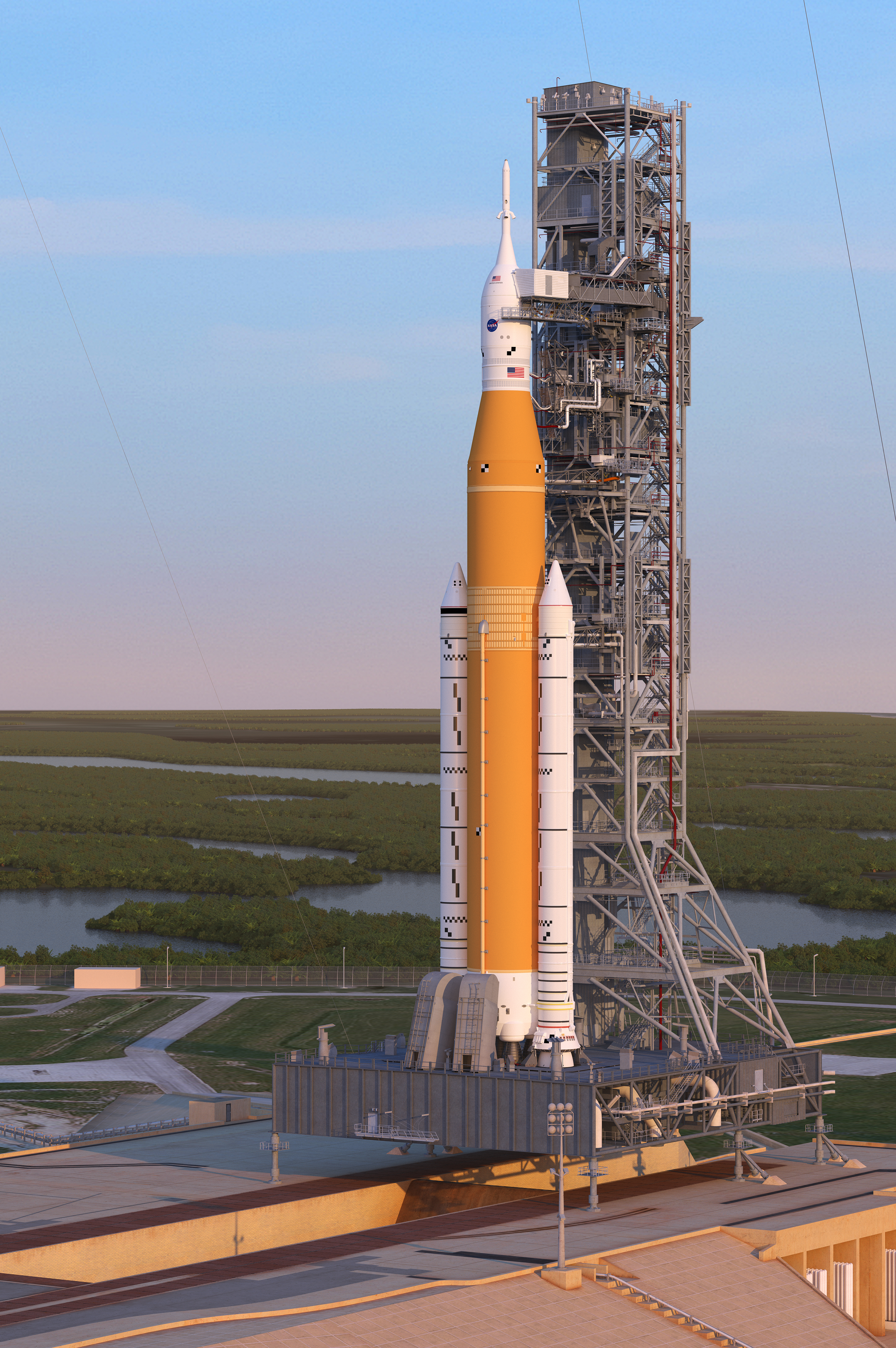
SLS (NASA)
SLS (NASA)
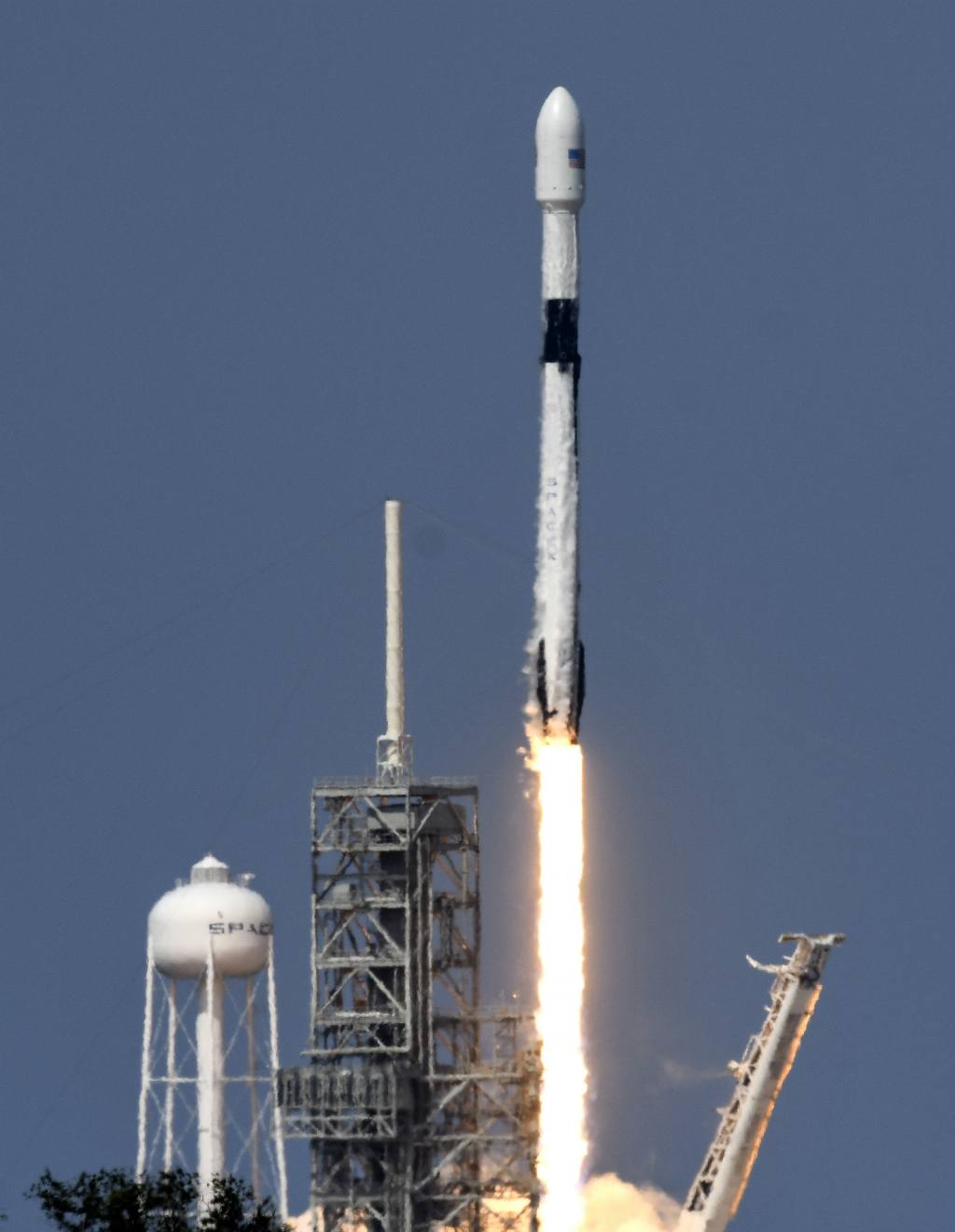
Falcon 9 (SPACEX)
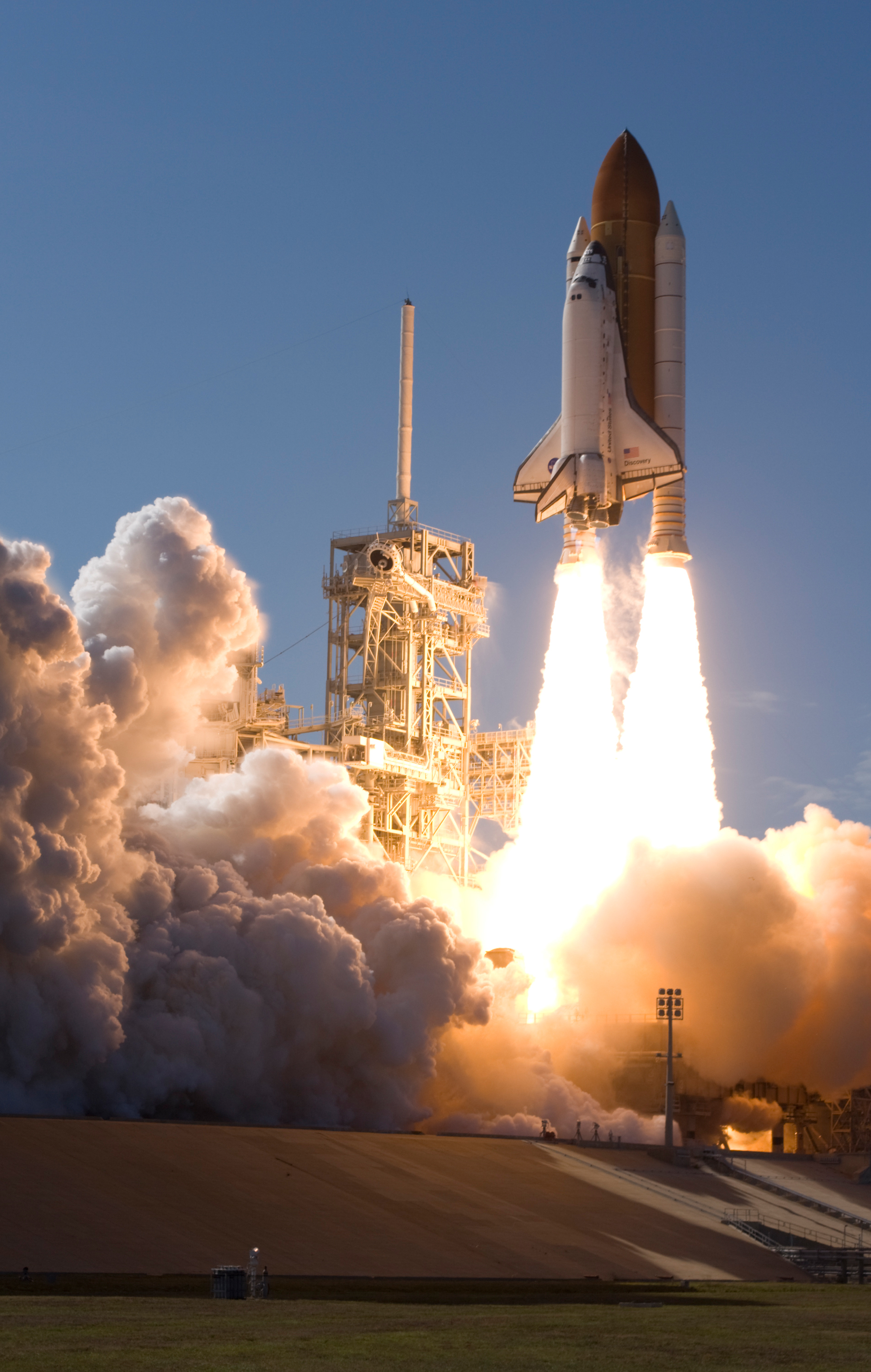
STS (NASA)
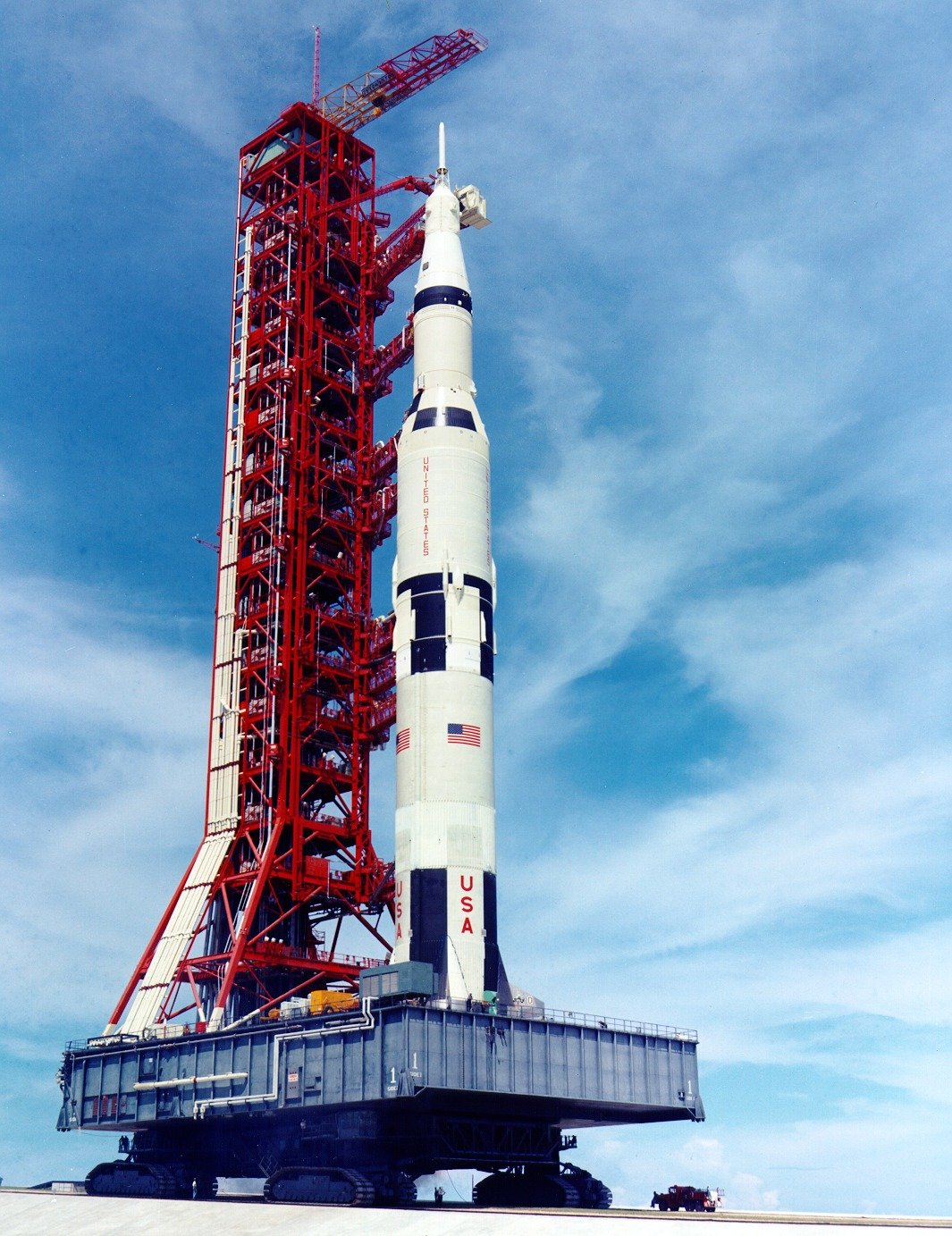
Saturn V (NASA)
Video explaining how they plan to go to mars from Space X
Map of the site from where the majority of the US Rockets is launched
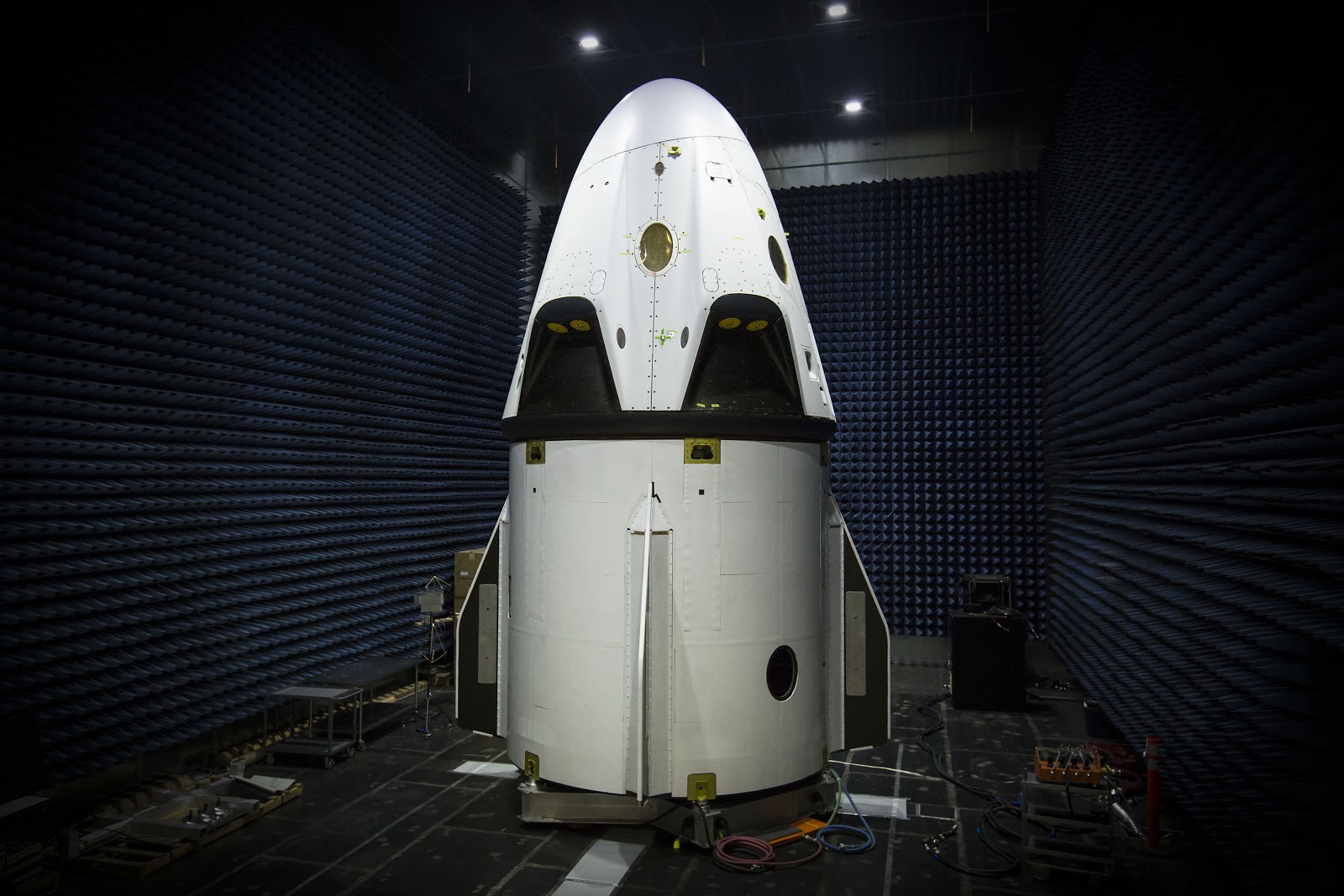
The launch will send an no tripulated version of the SpaceX Dragon capsule that will later take astronauts. It will be the first of a series of tests that NASA requires before having people on board the SpaceX rockets
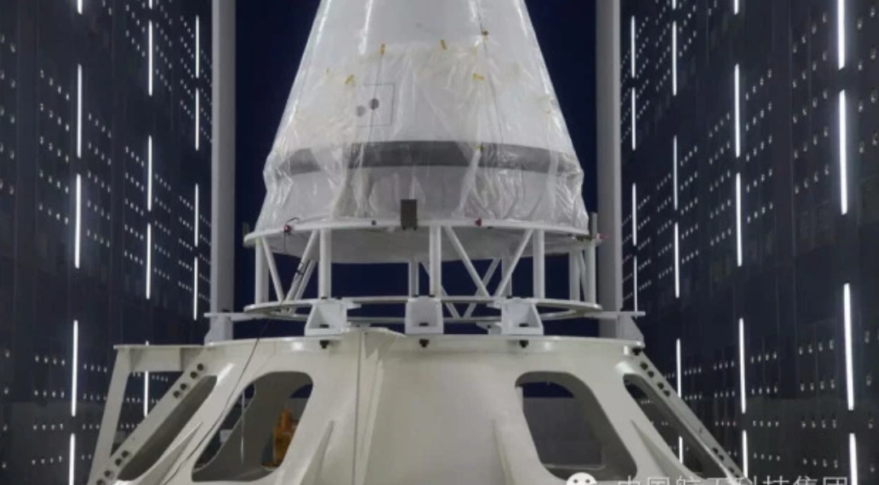
It is likely that there will be another important space achievement for this country with its next lunar mission: the Chang'e 5, which will take two kilograms of samples of the Moon.
| Nom | Capacitat | Alçada | Diametre | Cantitat de Motors | Empenta PF | Combustible |
|---|---|---|---|---|---|---|
| Saturn V | 118.000KG | 110,6 m | 10 m | 5 motors | 33,4 MN | Hidrogen líquid i oxigen líquid |
| SLS | 129.000 KG | 100,4 m | 8,4 m | 1 motors | 7.440 kN | Propulsor compost de perclorat d'amoni (APCP) |
| Falcon 9 | 22.900 KG | 70 m | 3,66 m | 9 Merlin | 7.607 kN | LOX/RP-1 densificats |
| Falcon Heavy | 63.900 KG | 70 m | 3,66 m | 27 Merlin | 18.607 kN | Subrefredat LOX / Refredat RP-1 |
| Big Falcon Rocket | 150.000 KG | 118 m | 9 m | 37 Raptor | 72 MN | Subrefredat CH4 / LOX |